A major Safavid historical–literary work in prose and verse by Najīb Kāshānī, documenting courtly life and political events in Isfahan during the late seventeenth and early eighteenth centuries A.H.
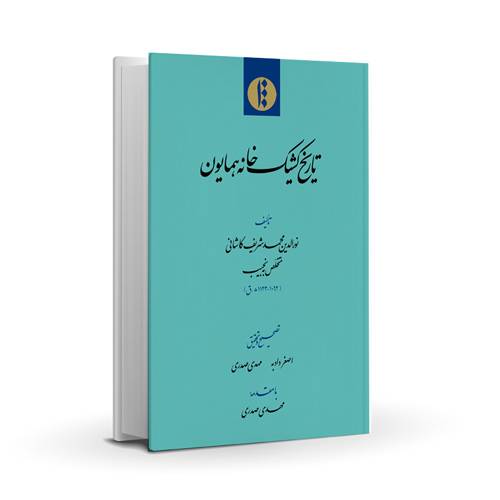
Tārīkh-i Kashīk-khāna-yi Humāyūn is a historical–literary (or literary–historical) work in both prose and verse by Nūr al-Dīn Muḥammad Sharīf Kāshānī, known by the pen name Najīb. A leading poet and writer of the Safavid period, Najīb served as poet laureate (malik al-shuʿarāʾ) to Shah Sulaymān and Shah Sulṭān Ḥusayn. Despite its importance, this work—like the author’s poetic corpus—has long remained insufficiently studied.
The central motivation for composing this book lies in the period of refuge and residence of Sulṭān Jalāl al-Dīn Akbar in Isfahan between 1099 and 1107 A.H., and the events that unfolded during those years. The narrative offers valuable insight into courtly ceremonies, political dynamics, and cultural life of late Safavid Iran.
This critical edition is based on the only known authentic and unique manuscript of the work, preserved in the library of the Golestān Palace, making it an indispensable source for the study of Safavid historiography and literary culture.
Reviews
Reviews
There are no reviews yet.
Be the first to review “Tarikh-e Kashikkhane-ye Homayoun”Cancel Reply



Reviews
There are no reviews yet.