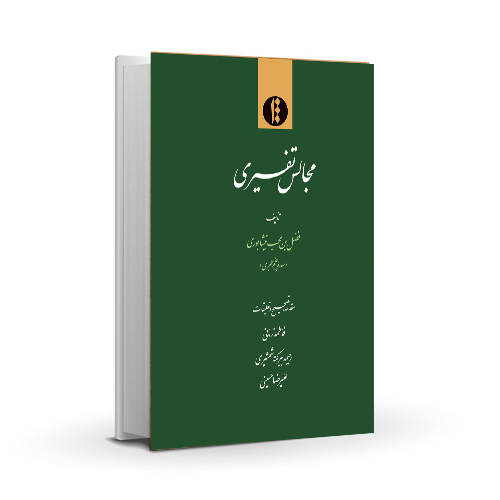
A fifth-century A.H. collection of Qurʾanic exegetical sermons reflecting early Persian–Arabic tafsīr, linguistic transition, and mystical interpretation.
Majālis-i Tafsīrī is a valuable surviving work of Qurʾanic exegesis originating from the preaching and interpretive sessions of Abū al-Qāsim Faḍl b. Muḥibb Nīshābūrī, dating to the fifth century A.H. The text is preserved in a single manuscript held at the Library of the Iranian Parliament (Majlis), shelf number 12013, comprising forty-four exegetical sessions.
Paleographical evidence suggests that the extant manuscript was copied in the eighth century A.H.; however, it retains numerous orthographic features characteristic of the fifth and sixth centuries. As such, the work is of particular importance for the study of the historical development of the naskh script.
From a stylistic and linguistic perspective, the text exhibits archaic spellings, phonetic substitutions, neologisms, semantic shifts, rhymed prose (sajʿ), repetition, and extensive citation of Persian and Arabic poetry. In addition, the author’s mystical outlook is clearly reflected in his esoteric interpretations of Qurʾanic verses, references to the sayings and spiritual states of Sufi figures, accounts of visionary experiences, and the inclusion of devotional prayers and supplications.
Reviews
Reviews
There are no reviews yet.
Be the first to review “Majales-e Tafsiri”Cancel Reply



Reviews
There are no reviews yet.